DealUp Phone Habit Guide

How To Stop Checking Your Phone All the Time

Break automatic phone checking with clear trigger rules, better device friction, and social accountability that helps you follow through in real life.

Quick Answer

To stop checking your phone all the time, define no-check moments, add friction between you and the phone, and use daily accountability so quick checks do not quietly take over the day.

Key Takeaways

  • check_circle Automatic checking usually happens in repeat situations, not random ones.
  • check_circle Small friction changes reduce reflex phone opens better than vague intentions.
  • check_circle Daily accountability helps stop private relapse cycles before they grow.

Ready To Start This in Real Life?

Show up on time for others, keep promises to yourself, and stick to your personal goals with social accountability that turns intention into follow-through.

Why Checking Your Phone Becomes Constant

Phone checking becomes automatic because the behavior gets attached to micro-cues like boredom, waiting, switching tasks, and low-level stress. The habit feels harmless because each check is small, but the repetition quietly breaks attention and follow-through.

“Phone checking grows through repetition, not because one single moment was dramatic.”

Who This Guide Is For

group This Is For You If…

  • • People who pick up their phone every time there is a pause in the day.
  • • Adults who keep checking messages, feeds, or notifications without deciding to.
  • • Users who want fewer reflex checks without deleting every app.
  • • People who need structure and visibility instead of another promise to be more discipline…

block This Is Not For You If…

  • • People whose role requires nonstop live phone response all day.
  • • Users looking for parental controls or system-level blocking only.
  • • People unwilling to define trigger moments or daily check-ins.
  • • Anyone looking for medical treatment advice rather than behavior support.

Real-Life Checking Scenarios

Between Tasks

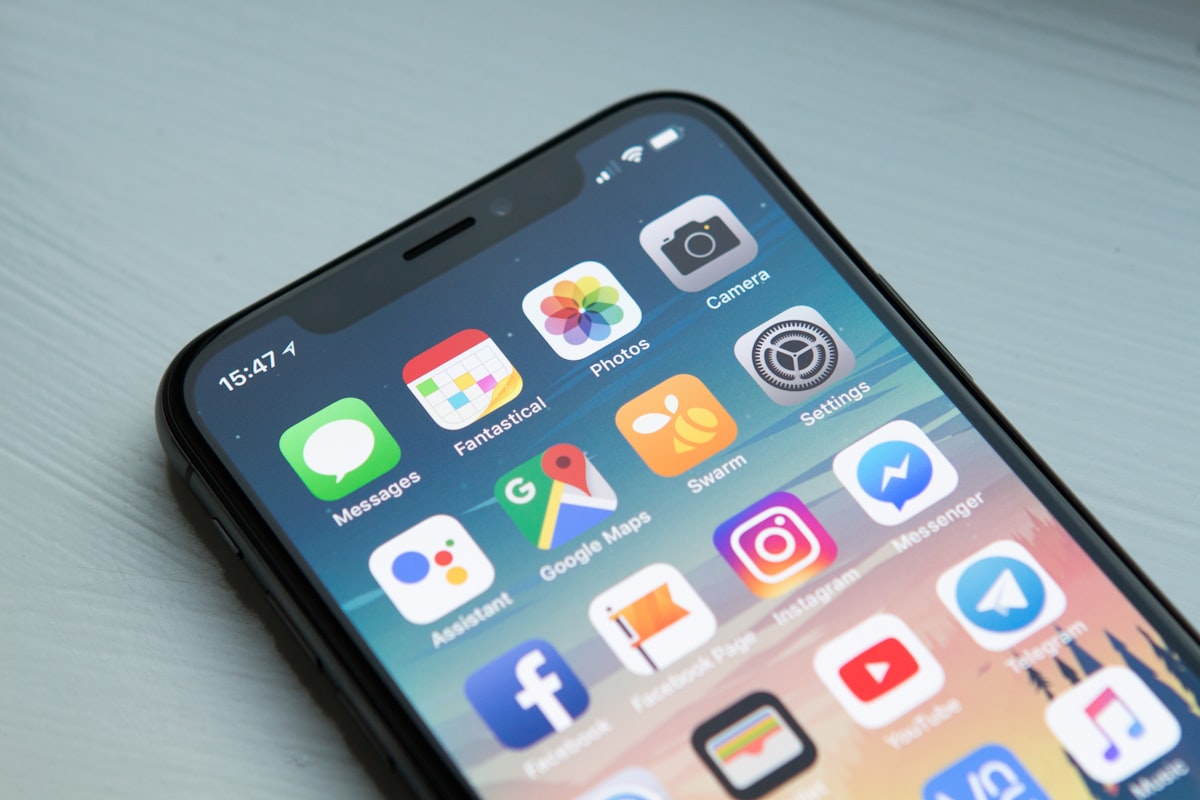
You finish one task, feel a small gap, and reach for your phone before the next thing begins. Those tiny transitions add up fast.
Waiting Moments

Standing in line, waiting for a reply, or riding in a car becomes an automatic reason to check something even when nothing matters.

Conversation Drift

You stay physically present, but quick checks during meals, hangouts, or downtime keep pulling attention away from other people.

The Stop-Checking Method

01

Name the Trigger Moments

Pick the exact moments where checking usually starts, such as task transitions, waiting time, or boredom.

02

Create No-Check Rules

Set one or two simple rules, like no phone during transitions or no checking while waiting for food or transport.

03

Track Daily Follow-Through

Use one short daily check-in so misses stay visible and the habit does not slide back into autopilot.

Design Showcase

Device Friction and Setup

Pattern A: Step-By-Step Plan

Spot Your Top Triggers

Write down the moments where checking happens most often.

Set One No-Check Boundary

Choose one repeatable rule that blocks the highest-frequency reflex checks.

Move High-Trigger Apps

Take top-trigger apps off the first screen so checking takes one more step.

Batch Intentional Checks

Use planned check windows instead of grazing all day.

Review Daily Pass or Miss

Track whether the rule held so drift does not stay invisible.

Pattern B: The Accountability Framework

Most people fail because their framework is brittle. Our social structure creates resilience through five distinct pillars.

visibility
Trigger Map
notifications_active
No-Check Rule
leaderboard
App Friction
handshake
Check Windows
verified
Daily Log

Pattern C: Willpower vs Social Accountability

Criteria Willpower Only Social Accountability
Attention Checking keeps restarting Shared rules reduce reflex opens
Conversations Quick checks feel harmless Presence improves when slips are visible
Transitions Every pause becomes a phone cue Structured rules interrupt the pattern
Consistency The habit quietly returns Daily accountability catches drift early

Decision Rules

  • • Start with one trigger moment before trying to fix the whole day.
  • • Use social accountability when checking happens automatically rather than intentionally.
  • • Add friction before deleting apps if you want a realistic first step.

Common Mistakes to Avoid

01. Trying to Use Pure Willpower

You rely on memory and motivation even though the habit is automatic.

build FIX: Use one visible rule and one daily check-in instead.

02. Keeping Trigger Apps Front and Center

Easy access keeps reflex checking fast and invisible.

build FIX: Move high-trigger apps off the first screen and out of your thumb path.

03. No Defined Check Windows

Without structure, every pause feels like a reason to check.

build FIX: Create one or two intentional times when phone use is allowed.

04. Letting One Bad Day Reset Everything

One miss becomes an excuse to stop tracking.

build FIX: Log the miss, reset the next day, and keep the same simple rule.

7-Day Stop-Checking Plan

Use one no-check rule for seven days and make every pass or miss visible.

Step 1

Pick One Trigger to Fix

Choose the checking pattern that happens most often, such as transitions or waiting time.

In DealUp: Create a challenge around that one trigger instead of the whole day.

Success Signal: The rule is narrow enough to notice in real life.

Step 2

Add App Friction

Move your top-trigger apps and turn off non-essential alerts.

In DealUp: Use a screenshot or short note as setup proof.

Success Signal: Checking no longer feels instant and automatic.

Step 3

Run Daily Check-Ins

Log whether the rule held each day, even if you slipped.

In DealUp: Use playful forfeits so misses stay real and recoverable.

Success Signal: You stop disappearing after one bad day.

Step 4

Tighten One Boundary

Adjust one part of the rule after the first week based on real misses.

In DealUp: Launch the next 7-day round with one better-defined boundary.

Success Signal: The habit gets easier to catch and harder to excuse.

Take the 7-Day Plan Into DealUp

Invite a friend, set the rules, and turn this plan into real follow-through with shared accountability, daily check-ins, and playful forfeits.

Why DealUp Works

groups

Shared Visibility

DealUp makes reflex checking visible so private drift is harder to ignore.

gavel

Simple Rules

The app works well when the goal is one repeatable boundary, not a vague promise to use your phone less.

done_all

Light Stakes

Playful forfeits keep daily execution real without turning phone habits into shame.

Screen Time Challenge

Turn constant checking into a live challenge with one rule, one check-in, and visible follow-through.

Start Screen Time
groups

Show Up + Self Challenge

See how DealUp helps you show up for others and follow through on personal goals in one social flow.

See How It Works
flag

Common Phone Habit Questions

Why do I keep checking my phone without thinking? expand_more
The habit is usually tied to cues like boredom, waiting, stress, or switching tasks. That is why rules and friction work better than vague self-control promises.
Should I delete my apps to stop checking my phone? expand_more
Not always. Many people do better by starting with boundaries, app friction, and check windows before trying extreme cuts.
What is a good first rule to try? expand_more
Start with one repeatable no-check moment, such as no phone during transitions, meals, or the first 30 minutes after waking.
How do I stop checking my phone at work? expand_more
Use focus blocks, move high-trigger apps, and batch intentional checks instead of reacting continuously.
What if I break the rule a lot at first? expand_more
That is normal. Keep the rule simple, log the misses, and use the next day as a fresh rep instead of giving up.
Do I need other people involved? expand_more
Yes. DealUp works best when a partner or group helps make the habit visible and harder to quietly ignore.

Written by Marcus Thorne

Behavioral Science Lead at DealUp

verified_user

Reviewed by Dr. Sarah Chen

Ph.D. in Social Psychology

Last Updated: March 28, 2026

Sources & Safety
  • • Apple Support: Use Screen Time on iPhone and iPad.
  • • Android Help: Digital Wellbeing, Focus mode, and app timers.
  • • Behavior change research summaries on cue-driven habits and accountability.
Safety Note: This guide is educational and not a substitute for medical, mental health, legal, or financial advice.

Ready To Stop Checking Your Phone All the Time?

Set one clear rule, invite a friend, and make your follow-through visible with DealUp.

No credit card required. Free starter plan available.